How Vertical Water Tanks Keep Essential Industries Running

Water is the lifeblood of industry. Whether it's cooling heavy machinery, irrigating sprawling agricultural fields, or supplying a municipal fire suppression system, reliable water storage is a non-negotiable part of keeping operations moving. Yet despite their critical role, the tanks that store and deliver this water rarely get the recognition they deserve.
Tall, cylindrical, and space-efficient, vertical water tanks are quietly working behind the scenes across some of the most essential industries in the country. From agricultural operations to large-scale manufacturing plants, these structures serve as the foundation of reliable water management. Understanding why so many industries depend on them reveals just how important smart water storage really is.
The Case for Going Vertical
When it comes to water storage, the shape and orientation of a tank matters more than most people realize. Vertical tanks offer a distinct advantage over horizontal counterparts — they take up significantly less ground footprint while still holding large volumes of water.
For industries where space is at a premium, whether on a crowded factory floor or a working farm with limited infrastructure room, this is a major benefit. A vertical design also naturally supports gravity-fed water flow, which can reduce the need for additional pumping equipment and lower overall energy costs.
Beyond the physical advantages, vertical tanks are highly adaptable. They can be manufactured in a wide range of materials, including polyethylene, fiberglass, and steel, making them suitable for storing not just water but a variety of liquids across different industrial applications. Their versatility is a big part of why they show up across so many different sectors.
Agriculture: Feeding Operations That Feed the World
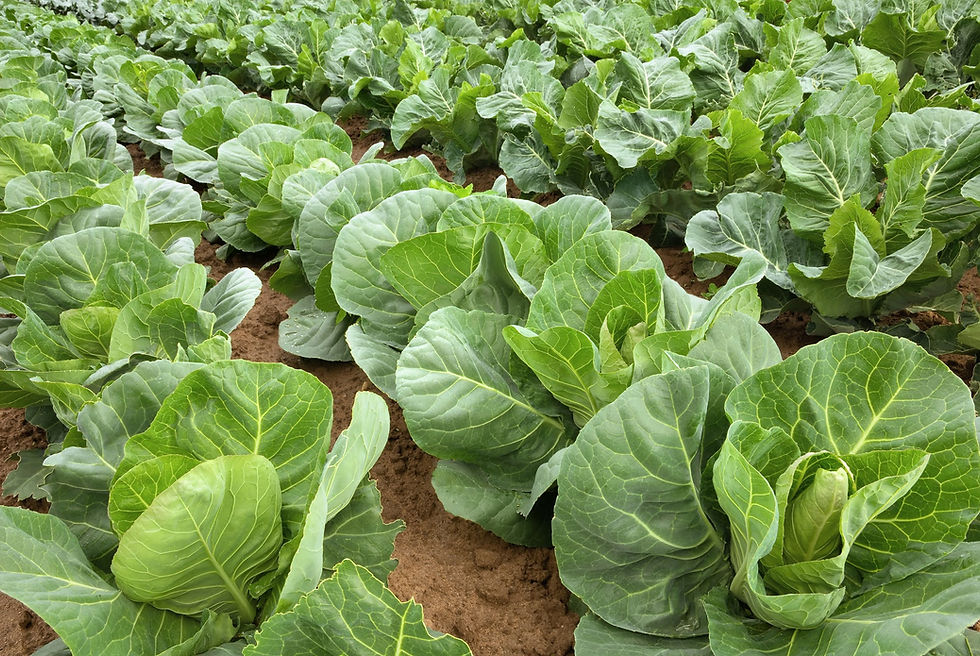
Few industries depend on water storage as heavily as agriculture. Farms of all sizes require consistent, reliable access to water for irrigation, livestock care, chemical mixing, and general facility use.
Vertical tanks are a natural fit in agricultural settings. They can be positioned near fields, barns, or processing areas to provide on-demand water access without relying entirely on municipal supply lines or natural water sources that may be inconsistent. During dry seasons or drought conditions, having a dedicated storage solution on-site can be the difference between a productive harvest and a significant loss.
Livestock operations benefit especially from vertical storage, as animals require a steady and clean water supply around the clock. Mixing tanks are also commonly used in agriculture for fertilizer and pesticide preparation, where precise, contamination-free water is essential.
Manufacturing: Cooling, Processing, and Compliance
Industrial manufacturing facilities are among the most demanding environments for water management. Water plays a role in nearly every stage of production — from cooling equipment to rinsing products, from supplying boilers to meeting fire code requirements.
In manufacturing, downtime is costly. A facility that runs out of process water or fails a fire suppression inspection faces not just financial losses but potential safety and regulatory consequences. Vertical tanks provide a reliable buffer, ensuring that water is always available when and where it's needed.
The compact footprint of vertical designs makes them especially practical for manufacturing plants where floor space is tightly allocated. For facilities that process food, pharmaceuticals, or chemicals, tanks built to sanitary standards ensure that water quality is maintained throughout the production cycle.
Fire Protection: A Critical Safety Requirement
Across virtually every industry, fire protection is both a legal and moral obligation. Sprinkler systems, fire hydrants, and suppression equipment all require a reliable and pressurized water supply that must be consistently available regardless of what else is happening on-site.
Many commercial and industrial properties are required by code to maintain a minimum on-site water reserve specifically for fire protection. Vertical tanks are commonly used to meet these requirements because of their large capacity, structural reliability, and ease of integration with existing suppression systems.
Unlike relying solely on municipal water pressure — which can be unpredictable during peak demand or emergencies — an on-site tank provides a self-contained and dependable reserve. For remote facilities or properties in areas with limited municipal infrastructure, this kind of independent storage isn't just a good idea. It's a necessity.
Oil and Gas: Built for Demanding Environments
The oil and gas industry operates in some of the most demanding and remote environments imaginable. Water plays a significant role in extraction operations, from dust suppression and equipment cooling to hydraulic processes and wastewater holding.
In these settings, tanks must meet rigorous durability standards. They're often exposed to extreme temperatures, harsh chemicals, and physically punishing conditions. Tanks built for this sector typically feature reinforced construction and materials designed to resist corrosion, UV degradation, and chemical exposure.
The remote nature of many oil and gas sites also makes self-sufficiency critical. Having ample on-site water storage reduces dependence on supply chains that may be long or unreliable, keeping operations running without interruption.
Municipal and Commercial Applications
Beyond industrial settings, municipalities rely on large-scale vertical storage to manage public water distribution. Water treatment facilities, utility providers, and city infrastructure departments use storage tanks to regulate pressure, balance supply and demand, and ensure that communities have access to clean water during peak usage or emergency situations.
On the commercial side, large retail facilities, hospitality properties, and mixed-use developments often require significant water reserves for everything from HVAC systems and landscaping to kitchen operations and restroom facilities. Vertical tanks quietly support all of these functions — out of sight but always on duty.
Choosing the Right Storage Solution
Not all tanks are created equal. The right vertical water storage tanks for any given application depend on a range of factors, including capacity requirements, the type of liquid being stored, environmental conditions, local regulations, and available space.
For industries handling potable water, certified tanks are essential. For chemical storage, compatibility between the tank material and the stored substance must be carefully evaluated. For fire suppression applications, tanks must meet relevant safety standards and local code requirements.
Working with a knowledgeable manufacturer ensures that these factors are properly accounted for before installation. The wrong tank in the wrong application isn't just an inefficiency — it can be a genuine safety risk.
Ready to Find the Right Tank for Your Operation?
Whether you're managing an agricultural operation, overseeing a manufacturing facility, or planning infrastructure for a commercial property, the right water storage solution makes all the difference. A reputable tank manufacturer can help you assess your needs, navigate material and capacity options, and ensure your system meets all relevant codes and standards.
Reach out to our trusted tank manufacturer today to start the conversation. The right storage solution keeps your operation running reliably — season after season, year after year.
Frequently Asked Questions
What industries use vertical water tanks the most?
Vertical water tanks are used across a wide range of industries, but they are especially common in agriculture, manufacturing, oil and gas, fire protection, and municipal water management. Any operation that requires a consistent, on-site water supply is likely to benefit from vertical tank storage.
What materials are vertical water tanks made from?
The most common materials include polyethylene, fiberglass, and steel. Each material has its own advantages depending on the application. Polyethylene is lightweight and corrosion-resistant, fiberglass offers excellent chemical resistance, and steel provides superior strength for high-capacity or high-pressure applications.
How do I know what size tank my operation needs?
Tank sizing depends on several factors, including daily water consumption, the nature of the operation, available space, and any regulatory requirements. A qualified tank manufacturer or water storage specialist can help assess your specific needs and recommend the right capacity for your situation.
Can vertical tanks be used for liquids other than water?
Yes. While water storage is the most common application, vertical tanks are also used to store chemicals, fertilizers, petroleum byproducts, and food-grade liquids. The key is ensuring that the tank material is compatible with the substance being stored.
How long do vertical water tanks last?
The lifespan of a vertical tank depends on the material, maintenance practices, and the environment in which it operates. Polyethylene tanks are known for long service life with minimal maintenance, while steel tanks may require periodic coating or inspection to prevent corrosion. Proper installation and routine checks significantly extend the life of any tank.
Are there regulations around industrial water tank installation?
Yes. Depending on the industry and application, there may be local, state, or federal regulations governing tank installation, materials, capacity, and placement. Fire suppression tanks, potable water tanks, and chemical storage tanks each carry their own compliance requirements. Always consult with a knowledgeable supplier and local authorities before installation.